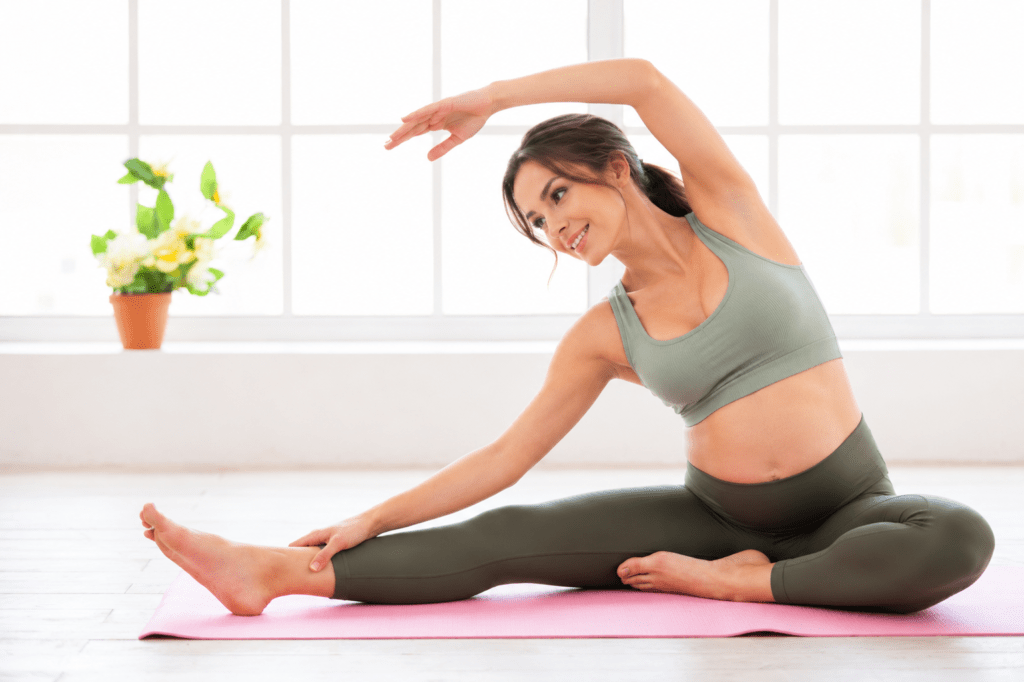
Pregnancy is an exciting and life changing journey, but it often comes with physical discomforts—especially back pain. In fact, studies suggest that nearly 50–70% of pregnant women experience some degree of back pain during pregnancy. As your baby grows, your body adapts in remarkable ways, but these changes can place additional strain on your spine, hips, and supporting muscles.
While medications may not always be the preferred option during pregnancy, there are natural and effective ways to manage discomfort. One of the safest and most beneficial approaches is prenatal yoga and gentle stretching exercises.
Pregnancy yoga combines mindful movement, stretching, breathing techniques, and relaxation to help reduce back pain, improve flexibility, strengthen muscles, and support overall maternal well-being.
In this comprehensive guide, you’ll learn why back pain occurs during pregnancy, the benefits of prenatal yoga, and the best yoga poses and stretches to help you stay comfortable throughout each trimester.
Why Is Back Pain So Common During Pregnancy?
Understanding the root cause of pregnancy-related back pain can help you manage it more effectively.
1. Weight Gain and Increased Pressure
During pregnancy, the body naturally gains weight to support the developing baby, placenta, and increased blood volume. This extra weight places additional stress on the lower back and pelvic region.
2. Shift in Center of Gravity
As your belly grows, your center of gravity moves forward. To compensate, many women lean backward slightly, creating excessive pressure on the lumbar spine.
3. Pregnancy Hormones
The hormone relaxin helps prepare the body for childbirth by loosening ligaments and joints. While beneficial for delivery, it can also reduce stability in the pelvis and lower back.
4. Weakening Core Muscles
The abdominal muscles stretch significantly during pregnancy, reducing their ability to support the spine and maintain posture.
5. Stress and Muscle Tension
Physical and emotional stress can contribute to muscle tightness in the shoulders, neck, and back, increasing discomfort.
Benefits of Prenatal Yoga for Back Pain Relief
Pregnancy yoga offers more than just stretching. It supports both physical and emotional health.
Improves Posture
Yoga strengthens postural muscles and encourages proper body alignment, reducing strain on the spine.
Strengthens Core and Pelvic Floor Muscles
A stronger core helps support your growing belly and minimizes pressure on the lower back.
Increases Flexibility
Gentle stretching improves mobility in the hips, hamstrings, and lower back.
Enhances Blood Circulation
Improved circulation helps reduce swelling and muscle fatigue.
Reduces Stress and Anxiety
Breathing exercises and mindfulness practices promote relaxation and emotional well-being.
Prepares the Body for Labor
Prenatal yoga can improve endurance, flexibility, and breathing control, which may be beneficial during childbirth.
Safety Tips Before Starting Pregnancy Yoga
Before practicing prenatal yoga:
- Consult your healthcare provider.
- Avoid overheating.
- Stay hydrated.
- Use supportive props if needed.
- Never force a stretch.
- Avoid exercises that cause pain or dizziness.
- Move slowly when changing positions.
- Stop immediately if you experience bleeding, contractions, or unusual symptoms.
10 Best Pregnancy Yoga Poses to Relieve Back Pain Naturally
1. Cat-Cow Stretch
One of the most recommended prenatal yoga poses for lower back pain.
How to Do It
- Begin on hands and knees.
- Inhale and arch your back gently.
- Lift your chest and tailbone.
- Exhale and round your spine.
- Repeat for 10 slow breaths.
Benefits
- Improves spinal mobility
- Reduces stiffness
- Relieves lower back tension
2. Modified Child’s Pose
A relaxing pose that gently stretches the back and hips.
How to Do It
- Kneel comfortably.
- Separate knees wider than hip-width.
- Extend your arms forward.
- Rest your torso between your thighs.
Benefits
- Lengthens the spine
- Relaxes the nervous system
- Eases back pressure
3. Pelvic Tilts
Pelvic tilts are highly effective for strengthening abdominal muscles and reducing back strain.
Benefits
- Supports spinal alignment
- Strengthens core muscles
- Reduces lower back pain
4. Butterfly Stretch
This pose gently opens the hips and pelvis.
How to Do It
- Sit comfortably.
- Bring the soles of your feet together.
- Allow knees to drop outward.
Benefits
- Improves hip flexibility
- Relieves pelvic tension
- Supports labor preparation
5. Seated Side Stretch
A wonderful stretch for tight back and rib muscles.
Benefits
- Improves flexibility
- Reduces side-body tension
- Enhances breathing capacity
6. Supported Squat Pose
Squats help strengthen the lower body while relieving pelvic pressure.
Benefits
- Strengthens legs and glutes
- Improves pelvic mobility
- Supports healthy posture
7. Standing Hip Flexor Stretch
Tight hip flexors often contribute to lower back discomfort.
Benefits
- Releases hip tension
- Reduces lumbar strain
- Improves mobility
8. Prenatal Goddess Pose
This gentle standing pose improves circulation and stability.
Benefits
- Strengthens thighs
- Supports pelvic floor muscles
- Enhances balance
9. Wide-Leg Forward Fold (Modified)
A gentle forward fold can help release tension in the back and hamstrings.
Benefits
- Relieves lower back tightness
- Improves flexibility
- Promotes relaxation
10. Supported Savasana (Side-Lying Relaxation)
Instead of lying flat on the back, pregnant women can relax safely on their side using pillows.
Benefits
- Encourages relaxation
- Reduces stress
- Relieves muscle tension
Pregnancy Stretches for Lower Back Pain
In addition to yoga poses, regular stretching can significantly reduce discomfort.
Hamstring Stretch
Tight hamstrings can worsen lower back pain.
Hold for 20–30 seconds on each side.
Hip Opener Stretch
Gentle hip-opening stretches improve mobility and reduce pelvic discomfort.
Shoulder and Neck Stretch
Many pregnant women carry tension in the upper body.
Regular stretching helps reduce headaches and upper back pain.
Trimester-Specific Yoga Recommendations
First Trimester
Focus on:
- Gentle stretching
- Breathing exercises
- Relaxation techniques
Avoid overexertion.
Second Trimester
This is often the most comfortable time for exercise.
Focus on:
- Strengthening poses
- Posture improvement
- Hip-opening exercises
Third Trimester
Prioritize:
- Gentle mobility work
- Pelvic floor awareness
- Relaxation and breathing
Use props for additional support.
Breathing Exercises to Enhance Pain Relief
Diaphragmatic Breathing
Deep breathing helps activate the body’s relaxation response.
Steps
- Sit comfortably.
- Place one hand on your belly.
- Inhale deeply through your nose.
- Exhale slowly through your mouth.
Practice for five minutes daily.
Benefits
- Reduces stress hormones
- Improves oxygen delivery
- Relaxes tight muscles
Common Pregnancy Yoga Mistakes to Avoid
Many women unknowingly perform exercises that may worsen discomfort.
Avoid:
- Deep backbends
- Extreme twists
- Hot yoga classes
- High-impact movements
- Lying flat on the back after the first trimester
- Holding your breath during exercise
Additional Natural Ways to Relieve Pregnancy Back Pain
Yoga works even better when combined with healthy daily habits.
Maintain Good Posture
Keep shoulders relaxed and avoid slouching.
Wear Supportive Footwear
Avoid high heels and unsupportive shoes.
Sleep on Your Side
Use a pregnancy pillow between your knees.
Stay Active
Regular walking complements yoga beautifully.
Use Warm Compresses
Heat therapy may help soothe sore muscles.
When Should You See a Doctor?
Contact your healthcare provider if your back pain:
- Is severe or worsening
- Occurs suddenly
- Causes numbness or weakness
- Is accompanied by fever
- Occurs with bleeding or contractions
These symptoms may indicate a condition requiring medical attention.
Final Thoughts
Back pain during pregnancy is incredibly common, but it doesn’t have to take away from the joy of your journey. Practicing prenatal yoga and gentle stretching exercises can provide natural relief while improving flexibility, posture, circulation, and overall well-being.
Simple movements like Cat-Cow Stretch, Pelvic Tilts, Butterfly Stretch, and Modified Child’s Pose can make a remarkable difference when practiced consistently. Combined with proper posture, supportive sleep positions, and healthy movement habits, prenatal yoga can help you enjoy a healthier, more comfortable pregnancy.
Always listen to your body, move mindfully, and seek guidance from your healthcare provider before beginning any exercise routine. With regular practice, pregnancy yoga can become one of the most valuable tools for managing back pain naturally and preparing your body for childbirth.