When couples struggle to conceive, attention often turns to female fertility first. But research consistently shows that male factors contribute to infertility in nearly 40–50% of cases. One of the most common issues? Low sperm count.
The encouraging news: diet plays a major role in sperm production and quality.
If you’re wondering which foods boost sperm count naturally, what nutrients matter most, and how long it takes to see results, this comprehensive guide breaks it all down in simple, practical terms.
Why Nutrition Matters for Sperm Health
Sperm production (spermatogenesis) happens continuously inside the testicles and takes about 64–74 days to complete one full cycle. That means what you eat today directly impacts sperm quality two to three months from now.
Healthy sperm requires:
- Proper hormone balance (especially testosterone)
- Strong antioxidant protection
- Adequate zinc, selenium, and folate levels
- Healthy blood circulation
- Reduced oxidative stress
Poor diet, processed foods, obesity, and nutrient deficiencies can impair sperm count, motility (movement), and morphology (shape).
The right nutrition can help:
- Increase sperm concentration
- Improve sperm motility
- Reduce DNA fragmentation
- Support healthy testosterone levels
- Improve overall fertility potential
Key Nutrients That Boost Sperm Count
Before diving into foods, let’s understand the nutrients scientifically linked to better sperm parameters.
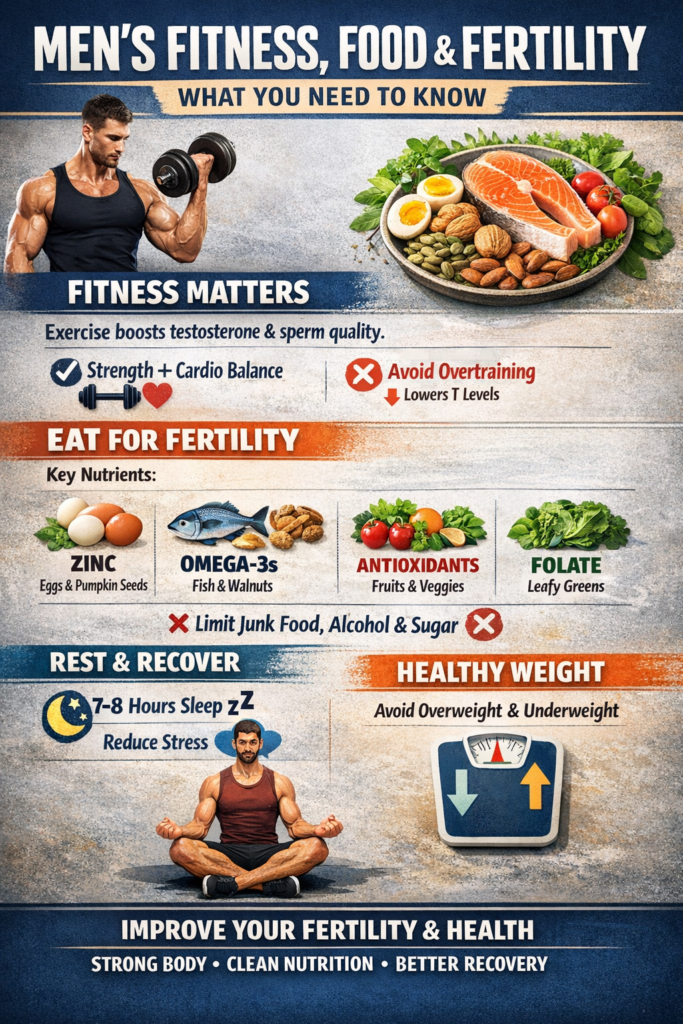
1. Zinc
Zinc plays a critical role in testosterone production and sperm development. Low zinc levels are strongly associated with reduced sperm count.
2. Folate (Vitamin B9)
Folate helps with DNA synthesis and sperm formation. Deficiency can lead to abnormal sperm.
3. Vitamin C
A powerful antioxidant that protects sperm from oxidative damage.
4. Vitamin E
Improves sperm motility and reduces oxidative stress.
5. Selenium
Essential for sperm structure and movement.
6. Omega-3 Fatty Acids
Support sperm membrane flexibility and motility.
7. Coenzyme Q10
Improves sperm energy production and movement.
Top 15 Best Foods to Boost Sperm Count
1. Oysters
Oysters are one of the richest natural sources of zinc. Adequate zinc levels support testosterone production and sperm development.
Even moderate zinc deficiency can reduce sperm count significantly.
If oysters aren’t accessible, other zinc-rich options include:
- Pumpkin seeds
- Beef
- Chickpeas
- Cashews
2. Eggs
Eggs are rich in protein, vitamin E, and selenium. The antioxidants in eggs help protect sperm cells from free radical damage.
They also support hormone production and overall reproductive health.
3. Spinach and Leafy Greens
Leafy greens are excellent sources of folate.
Folate plays a key role in sperm DNA integrity. Low folate levels are associated with chromosomal abnormalities in sperm.
Best options:
- Spinach
- Kale
- Swiss chard
- Romaine lettuce
4. Walnuts
Walnuts are high in omega-3 fatty acids, which improve sperm vitality and motility.
A well-known study found that men who consumed walnuts daily showed improved sperm morphology and movement.
5. Fatty Fish
Fatty fish like:
- Salmon
- Sardines
- Mackerel
are rich in omega-3 fatty acids, which improve sperm membrane structure and overall reproductive health.
Regular intake supports circulation to reproductive organs.
6. Pumpkin Seeds
Pumpkin seeds are loaded with zinc and antioxidants.
They also support prostate health, which plays an important role in semen production.
7. Garlic
Garlic contains allicin, which improves blood flow and protects sperm from oxidative stress.
It also contains selenium, further enhancing sperm quality.
8. Pomegranates
Pomegranates are powerful antioxidants.
They reduce oxidative stress — one of the leading causes of low sperm count and DNA damage.
Pomegranate juice has been linked to improved sperm concentration in some studies.
9. Dark Chocolate (70%+ Cocoa)
High-quality dark chocolate contains L-arginine, an amino acid linked to increased sperm count and motility.
Choose minimally processed varieties with high cocoa content.
10. Bananas
Bananas contain vitamin B6 and bromelain, which may help regulate sex hormones and support sperm production.
They also provide energy and support testosterone balance.
11. Brazil Nuts
Brazil nuts are one of the richest sources of selenium.
Just 1–2 nuts per day can provide your daily selenium requirement.
Excess selenium can be harmful, so moderation is key.
12. Lentils and Legumes
Rich in plant-based protein, folate, and iron, legumes support sperm production and overall reproductive health.
13. Tomatoes
Tomatoes are high in lycopene, an antioxidant associated with improved sperm count and motility.
Cooked tomatoes (like tomato sauce) may provide higher lycopene absorption.
14. Avocados
Avocados contain healthy fats, vitamin E, and folate.
They support hormone production and improve blood circulation.
15. Berries
Strawberries, blueberries, and raspberries are rich in vitamin C and antioxidants.
Vitamin C helps prevent sperm clumping (agglutination) and improves motility.
Foods to Avoid for Better Sperm Health
Just as important as what to eat is what to limit.
1. Processed Meats
Linked to reduced sperm count and abnormal sperm morphology.
2. Trans Fats
Found in fried and packaged foods. Associated with lower sperm concentration.
3. Excess Alcohol
Can reduce testosterone levels and sperm production.
4. Sugary Drinks
High sugar intake is linked to poor semen quality.
5. Soy in Excess
Moderate soy is fine, but excessive intake may affect hormone balance.
How Long Does It Take to Improve Sperm Count Through Diet?
Because sperm production takes about 2–3 months, dietary changes typically show measurable improvements within 8–12 weeks.
Consistency is crucial.
Combine diet with:
- Regular exercise
- Adequate sleep
- Stress reduction
- Maintaining a healthy weight
- Avoiding smoking
Sample Fertility-Boosting Daily Meal Plan
Breakfast
- Eggs with spinach
- Whole-grain toast
- Berries
- Green tea
Lunch
- Grilled salmon
- Quinoa
- Steamed broccoli
- Avocado slices
Snack
- Handful of walnuts
- Banana
Dinner
- Lentil curry
- Brown rice
- Mixed leafy salad
- Tomato-based sauce
Should You Take Supplements?
While food should be your primary source of nutrients, supplements may help in cases of deficiency.
Common fertility supplements include:
- Zinc
- Selenium
- CoQ10
- Omega-3
- Vitamin D
- Folate
However, excessive supplementation can be harmful. Testing and professional guidance are recommended before starting high-dose supplements.
Lifestyle Factors That Work Alongside Diet
Diet alone may not fix low sperm count if other risk factors exist.
Improve results by:
- Avoiding hot tubs and prolonged heat exposure
- Reducing stress
- Exercising moderately
- Quitting smoking
- Limiting alcohol
- Managing chronic conditions like diabetes
When to See a Doctor
If pregnancy has not occurred after:
- 12 months (under age 35)
- 6 months (over age 35)
A semen analysis can assess sperm count, motility, and morphology.
Early evaluation helps identify treatable causes.
Final Thoughts: Food Is Fertility Fuel
Male fertility is not fixed, it is dynamic and responsive to lifestyle changes.
By focusing on nutrient-dense foods, reducing processed items, and supporting overall health, many men see meaningful improvements in sperm quality within a few months.
Consistency matters more than perfection.
Small daily choices compound over time and your future family may benefit from the effort you start today.