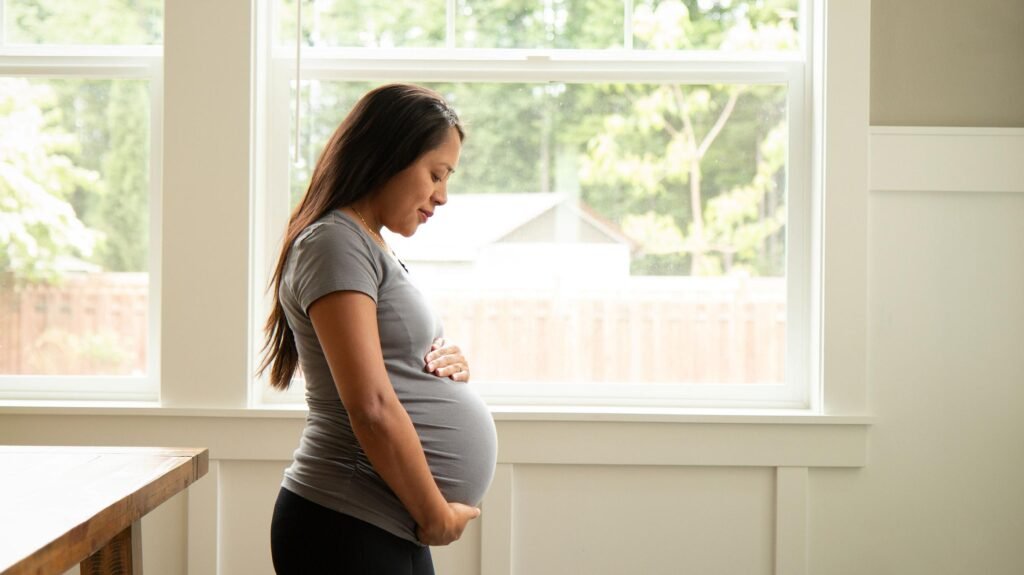
Pregnancy brings many changes to your body, and one of the earliest and most noticeable signs is changes in your breasts. For many women, breast tenderness, swelling, or nipple sensitivity can appear even before a missed period, making it one of the first clues that pregnancy may have occurred.
These changes are a normal part of pregnancy and happen because your body begins preparing for breastfeeding almost immediately after conception. Understanding what causes breast changes, when they start, and how to manage discomfort can help you feel more confident during the early weeks of pregnancy.
In this comprehensive guide, we’ll explore everything you need to know about breast changes in early pregnancy, including symptoms, causes, timelines, and helpful tips for relief.
Why Do Breasts Change During Early Pregnancy?
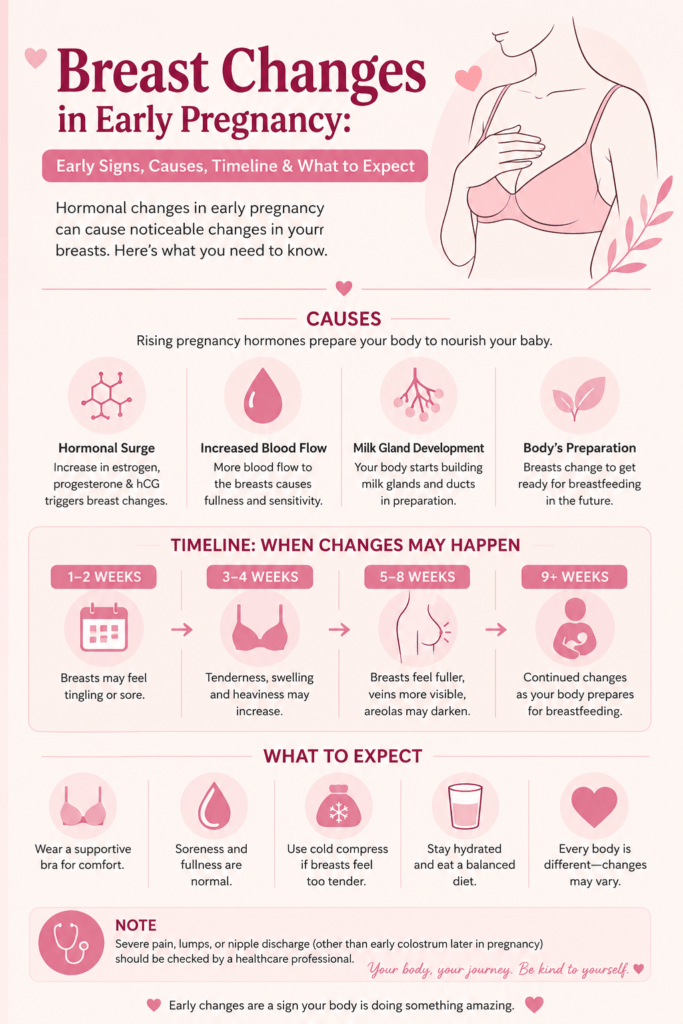
Breast changes occur because pregnancy hormones increase rapidly after fertilization.
Your body starts preparing your breasts to nourish your baby long before birth. This preparation involves growth of milk ducts, increased blood supply, and changes in breast tissue.
The main hormones responsible for these changes include:
Estrogen
Estrogen helps:
- Increase breast tissue growth
- Develop milk ducts
- Improve blood flow to the breasts
Progesterone
Progesterone supports:
- Development of milk-producing glands
- Breast enlargement
- Preparation for future milk production
Human Chorionic Gonadotropin (hCG)
Known as the pregnancy hormone, hCG contributes to many early pregnancy symptoms, including breast tenderness.
Prolactin
Prolactin is responsible for preparing the breasts to produce milk after delivery.
Together, these hormones trigger significant breast changes throughout pregnancy.
Are Breast Changes an Early Sign of Pregnancy?
Yes. Breast changes are often one of the earliest pregnancy symptoms.
Many women notice breast tenderness before:
- Missing a period
- Receiving a positive pregnancy test
- Experiencing other pregnancy symptoms
However, breast soreness alone does not confirm pregnancy because similar symptoms may occur before menstruation.
Common Breast Changes in Early Pregnancy
Every woman experiences pregnancy differently, but the following breast changes are very common during the first trimester.
1. Breast Tenderness and Soreness
Breast tenderness is one of the most common early pregnancy symptoms.
You may notice:
- Pain when touching your breasts
- Increased sensitivity
- Aching or throbbing sensations
- Discomfort while exercising
Many women describe this feeling as similar to PMS breast pain, but often stronger and longer-lasting.
Why Does It Happen?
Increased hormone levels stimulate breast tissue growth and increase blood flow, making breasts more sensitive.
2. Swollen and Fuller Breasts
One of the earliest physical changes is an increase in breast size.
Your breasts may feel:
- Fuller
- Heavier
- Tight
- More rounded
This occurs because milk ducts and glands begin developing early in pregnancy.
Some women may increase by one or more bra sizes during pregnancy.
3. Increased Breast Sensitivity
Even light touch may feel uncomfortable.
You may experience:
- Tingling sensations
- Burning feelings
- Nipple discomfort
- Sensitivity to clothing
This heightened sensitivity is caused by hormonal changes and increased nerve activity.
4. Darkening of the Areolas
The areolas (the dark circles around the nipples) often become:
- Larger
- Darker
- More noticeable
This change is believed to help newborn babies locate the nipple more easily during breastfeeding.
Darkening usually becomes more noticeable during the first trimester and may continue throughout pregnancy.
5. More Visible Veins
As blood volume increases during pregnancy, veins beneath the skin may become more visible.
You may notice:
- Blue veins
- Purple veins
- Increased blood vessel visibility
This is completely normal and reflects increased circulation needed to support breast development.
6. Enlargement of Montgomery Glands
Small bumps around the areola may become more prominent.
These bumps are called Montgomery glands.
Their purpose is to:
- Lubricate the nipples
- Protect against infection
- Prepare the breasts for breastfeeding
Many women worry these bumps are abnormal, but they are a healthy part of pregnancy.
7. Itchy Breasts
Breast growth may stretch the skin, causing:
- Mild itching
- Tightness
- Dryness
Using a pregnancy-safe moisturizer may help reduce discomfort.
8. Breast Growth and Stretch Marks
As the breasts enlarge, some women develop stretch marks.
Stretch marks may appear:
- Pink
- Red
- Purple
Although they cannot always be prevented, keeping skin moisturized may help improve elasticity.
Can Breasts Leak in Early Pregnancy?
Some women may notice small amounts of yellowish fluid called colostrum during pregnancy.
Colostrum is the first form of breast milk and is rich in nutrients.
While leakage is more common later in pregnancy, it can occasionally occur earlier.
When Do Breast Changes Start in Pregnancy?
Breast changes may begin surprisingly early.
Week 1–2 After Conception
- Mild tenderness
- Tingling sensations
- Slight swelling
Week 4–6
- Noticeable soreness
- Nipple sensitivity
- Breast fullness
Week 6–12
- Increased breast size
- Darkening areolas
- Visible veins
For some women, breast changes are the first pregnancy symptom they notice.
How Long Do Breast Changes Last During Pregnancy?
Breast discomfort is often strongest during the first trimester.
Many women find symptoms improve during the second trimester as hormone levels stabilize.
However, breast growth continues throughout pregnancy as the body prepares for breastfeeding.
Breast Changes vs PMS: How to Tell the Difference
Many women confuse pregnancy breast changes with premenstrual symptoms.
| Pregnancy Breast Changes | PMS Breast Changes |
|---|---|
| Last longer | Usually disappear before period |
| More intense tenderness | Mild to moderate soreness |
| Darker nipples | Usually no nipple changes |
| Visible veins | Rare |
| Continued breast growth | Temporary swelling |
The most reliable way to confirm pregnancy is with a pregnancy test.
Are Breast Changes a Sign of a Healthy Pregnancy?
In most cases, yes.
Breast changes usually indicate that pregnancy hormones are increasing normally.
However, every pregnancy is different.
Some women experience:
- Significant soreness
- Rapid breast growth
Others experience:
- Mild symptoms
- Almost no breast discomfort
Both can be completely normal.
How to Relieve Breast Pain During Early Pregnancy
Wear a Supportive Bra
A well-fitted maternity bra can:
- Reduce movement
- Provide support
- Improve comfort
Choose Soft Fabrics
Cotton bras and loose clothing may reduce irritation.
Avoid underwires if they feel uncomfortable.
Stay Hydrated
Proper hydration supports healthy circulation and may help reduce swelling.
Use Warm or Cool Compresses
Applying a warm or cool compress may help relieve tenderness.
Sleep Comfortably
Some women benefit from wearing a soft sleep bra at night.
Moisturize the Skin
Pregnancy-safe moisturizers may help reduce itching and skin tightness.
When Should You Contact a Doctor?
While breast changes are usually normal, contact your healthcare provider if you experience:
- Severe breast pain
- A persistent lump
- Redness and swelling
- Fever
- Bloody nipple discharge
- Signs of infection
Prompt medical evaluation can help rule out serious conditions.
Frequently Asked Questions
Are sore breasts one of the first signs of pregnancy?
Yes. Breast tenderness is often one of the earliest pregnancy symptoms and may appear before a missed period.
Do breasts always get bigger during pregnancy?
Most women experience some breast enlargement, but the amount varies significantly.
Why are my nipples darker during pregnancy?
Pregnancy hormones increase melanin production, causing nipples and areolas to darken.
Is it normal for only one breast to hurt?
Slight differences can occur, but severe pain in one breast should be evaluated by a doctor.
Can breast symptoms come and go during pregnancy?
Yes. Hormone levels fluctuate, so symptoms may vary throughout pregnancy.
Final Thoughts
Breast changes in early pregnancy are a natural and healthy response to the hormonal shifts occurring inside your body. Tenderness, swelling, nipple sensitivity, darker areolas, and visible veins are all common signs that your body is preparing to support your growing baby.
Although these changes can sometimes be uncomfortable, they are usually temporary and often indicate that pregnancy hormones are doing their job. Understanding what to expect can help you feel reassured and better prepared for the exciting journey ahead.