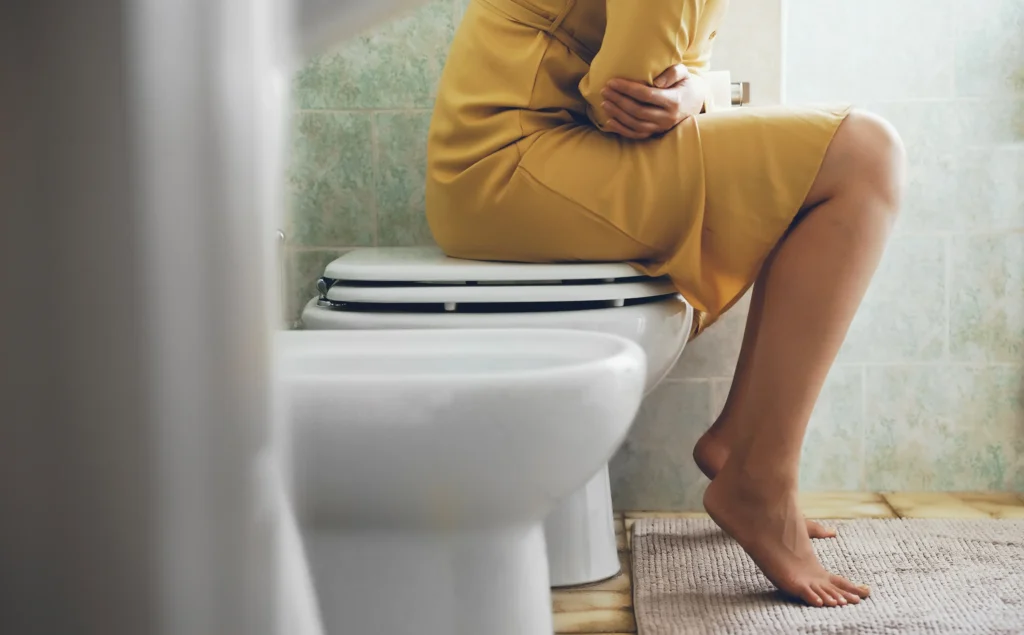
Pregnancy brings many exciting changes to your body, but not every change is comfortable. One common problem many women experience is constipation during pregnancy. You may find yourself having fewer bowel movements than usual, passing hard or dry stools, or needing to strain when using the bathroom.
Although constipation can be uncomfortable and frustrating, it is often a normal pregnancy symptom. Hormonal changes, the growing uterus, dietary changes, reduced physical activity, and iron supplements can all contribute to the problem.
The good news is that simple changes to your diet, fluid intake, physical activity, and daily routine can often help relieve pregnancy constipation.
In this guide, we’ll explain why constipation happens during pregnancy, what symptoms to look for, which foods may help, safe remedies, prevention strategies, and when you should speak with your healthcare provider.
What Is Constipation During Pregnancy?
Constipation occurs when bowel movements become less frequent or difficult to pass. Your stool may become harder, drier, or more difficult to pass than usual.
There is no single number of bowel movements that is considered “normal” for everyone. Some people naturally have bowel movements several times a day, while others may go every other day. What matters is a noticeable change from your usual bowel pattern, particularly if stools are hard or difficult to pass.
During pregnancy, constipation can develop even if you previously had regular bowel movements.
Common symptoms include:
- Having fewer bowel movements than usual
- Hard or dry stools
- Difficulty passing stool
- Straining during bowel movements
- Feeling that you have not completely emptied your bowel
- Abdominal discomfort or bloating
- Increased gas
- A feeling of pressure in the rectum
Occasional constipation is usually not dangerous. However, persistent or severe symptoms should not simply be ignored.
Is Constipation Normal During Pregnancy?
Yes. Constipation is a common pregnancy complaint, particularly during the first and second trimesters.
Pregnancy hormones can slow down the movement of food through your digestive system. This gives the intestines more time to absorb water from stool, which can make it harder and more difficult to pass.
As pregnancy progresses, the growing uterus can also put pressure on nearby parts of the digestive tract. This may contribute to changes in bowel habits.
However, “common” does not mean you have to suffer through it. There are several pregnancy-friendly lifestyle and dietary measures that can help.
When Does Constipation Start During Pregnancy?
Constipation can happen at any stage of pregnancy, but some women notice it particularly early in pregnancy.
First trimester
During early pregnancy, rising levels of hormones such as progesterone can relax the muscles of the digestive tract. As a result, food may move more slowly through the intestines.
Morning sickness can also indirectly contribute to constipation. If nausea or vomiting makes it difficult to eat and drink normally, you may consume less fiber and fluid than usual.
Second trimester
Constipation may continue during the second trimester as hormonal changes persist. Dietary changes, reduced activity, and iron-containing prenatal supplements can also contribute.
Third trimester
Later in pregnancy, the growing uterus may place additional pressure on the digestive organs. Reduced mobility and continued use of iron supplements may also make constipation more noticeable.
Not every pregnant woman will experience constipation, and the severity can vary considerably from person to person.
What Causes Constipation During Pregnancy?
Several factors can contribute to constipation during pregnancy. Often, more than one factor is involved.
1. Pregnancy Hormones
One of the biggest contributors is the increase in progesterone during pregnancy.
Progesterone relaxes smooth muscles throughout the body, including the muscles of the digestive tract. This can slow intestinal movement and allow more water to be absorbed from stool.
The result can be harder stools and less frequent bowel movements.
2. The Growing Uterus
As your baby grows, your uterus becomes larger and can place pressure on surrounding organs, including parts of the digestive system.
This is particularly relevant during later pregnancy and can contribute to changes in bowel movements.
However, the growing uterus is not usually the main reason for constipation during early pregnancy. Hormonal changes and other factors often play a larger role at that stage.
3. Iron Supplements
Iron is an important nutrient during pregnancy, and many pregnant women are advised to take iron-containing prenatal supplements.
However, iron supplements can cause or worsen constipation in some people.
If you notice that constipation started or became significantly worse after beginning an iron supplement, do not stop taking it on your own. Instead, discuss the problem with your doctor or midwife. They may recommend a different formulation, dosage, or approach depending on your individual needs.
4. Not Drinking Enough Water
Pregnancy increases the importance of staying adequately hydrated.
When your body does not receive enough fluid, your stool can become harder and more difficult to pass.
Vomiting, excessive sweating, hot weather, or simply forgetting to drink enough water can increase the risk of dehydration and may make constipation worse.
Try to drink fluids regularly throughout the day rather than waiting until you feel extremely thirsty.
5. Not Getting Enough Fiber
Fiber helps add bulk to stool and can support regular bowel movements.
If your pregnancy diet contains mostly refined grains, processed foods, and low-fiber snacks, you may be more likely to experience constipation.
Good sources of dietary fiber include:
- Fruits
- Vegetables
- Whole grains
- Beans and lentils
- Nuts and seeds
- Oats
- Whole-grain bread
- Brown rice
However, if you suddenly increase your fiber intake, you may experience additional gas or bloating. Increase fiber gradually and make sure you are drinking enough fluids.
6. Reduced Physical Activity
Pregnancy can change your usual activity level. Morning sickness, fatigue, pelvic discomfort, back pain, or medical advice to limit activity may mean you move less than before.
Regular, pregnancy-appropriate physical activity can support normal bowel function.
For many healthy pregnancies, activities such as walking can be a simple way to stay active. However, if your healthcare provider has advised you to restrict physical activity, follow their recommendations.
7. Ignoring the Urge to Have a Bowel Movement
Busy schedules, uncomfortable bathrooms, or concerns about straining can cause some people to delay going to the toilet.
Repeatedly ignoring the urge may make bowel movements more difficult.
When you feel the need to go, try to give yourself enough time and privacy rather than repeatedly postponing it.
8. Stress and Changes in Routine
Pregnancy can bring significant physical and emotional changes.
Stress, changes in sleeping patterns, travel, changes in diet, and alterations to your daily routine can all affect bowel habits.
Maintaining regular meals, adequate hydration, physical activity, and a consistent bathroom routine may help support digestive health.
Constipation in Early Pregnancy
Constipation can sometimes be one of the uncomfortable symptoms experienced during early pregnancy.
Hormonal changes begin very early in pregnancy, and progesterone can slow the digestive system. At the same time, nausea, food aversions, changes in eating patterns, and reduced physical activity may affect bowel movements.
If you are newly pregnant and experiencing constipation, focus on gentle measures such as:
- Drinking enough fluids
- Eating fiber-rich foods
- Including fruits and vegetables in your meals
- Staying physically active if permitted
- Establishing a regular bathroom routine
Avoid taking over-the-counter constipation medicines without first checking whether they are appropriate during pregnancy.
Does Constipation Harm the Baby?
In most cases, ordinary pregnancy constipation does not harm the developing baby.
Constipation mainly affects your digestive system and may cause discomfort, bloating, gas, or straining.
However, severe or persistent constipation can sometimes lead to complications such as hemorrhoids or an anal fissure. Significant abdominal pain, vomiting, rectal bleeding, or other unusual symptoms should be evaluated by a healthcare professional.
It is also important not to assume that every abdominal symptom during pregnancy is simply constipation. If something feels unusual or severe, seek medical advice.
Can Straining During Pregnancy Cause a Miscarriage?
This is a common concern among pregnant women.
Normal straining caused by constipation does not generally cause miscarriage. The uterus and developing pregnancy are protected within the pelvis, and ordinary bowel movements do not normally disturb the pregnancy.
However, repeated or excessive straining can be uncomfortable and may contribute to problems such as hemorrhoids.
Instead of forcing a bowel movement, focus on making your stool softer through adequate fluids, dietary fiber, appropriate activity, and medical guidance when necessary.
When Should You Talk to Your Doctor?
Constipation is usually manageable with lifestyle changes, but some symptoms require professional assessment.
Contact your healthcare provider if:
- Constipation is persistent or severe
- You have significant or worsening abdominal pain
- You are vomiting
- You notice blood in your stool
- You cannot pass stool or gas
- You have severe abdominal swelling
- You develop a fever
- Your bowel habits change suddenly and significantly
- Home measures are not helping
During pregnancy, it is always better to discuss persistent or concerning symptoms with your healthcare provider rather than self-treating for an extended period.
Best Foods for Constipation During Pregnancy
One of the most effective dietary approaches is gradually increasing your intake of dietary fiber.
Fiber adds bulk to stool and can help it move through the digestive tract more easily. Pregnant women generally need a good daily intake of fiber, but your individual needs may vary.
Increase fiber gradually rather than making a sudden major change. A rapid increase can cause gas, bloating, and abdominal discomfort.
1. Fruits
Fresh fruits can be an easy way to add fiber and fluid to your pregnancy diet.
Good options include:
- Pears
- Apples
- Oranges
- Kiwi
- Berries
- Guava
- Papaya
- Peaches
- Plums
- Avocado
Whenever appropriate, eat fruits with their edible skin because much of the fiber is found in or close to the skin.
For example, an apple with its skin generally provides more fiber than peeled apple.
2. Prunes and Prune Juice
Prunes, also known as dried plums, are one of the most commonly recommended foods for constipation.
They contain fiber and naturally occurring compounds that can help promote bowel movements.
You can try:
- A small serving of prunes
- Chopped prunes added to oatmeal
- Prunes mixed into yogurt
- A moderate amount of prune juice
If you are not used to eating prunes, start with a small amount. Too many at once may cause gas, bloating, or diarrhea.
3. Vegetables
Vegetables are another excellent source of dietary fiber.
Consider including:
- Broccoli
- Carrots
- Green beans
- Peas
- Sweet potatoes
- Pumpkin
- Spinach
- Cabbage
- Bell peppers
Try to include vegetables with your main meals rather than relying heavily on refined carbohydrates.
4. Whole Grains
Replacing refined grains with whole-grain alternatives can increase your daily fiber intake.
Examples include:
- Oats
- Brown rice
- Whole-grain bread
- Whole-wheat pasta
- Barley
- Quinoa
- Whole-grain cereals
For example, choosing oatmeal for breakfast instead of a highly refined breakfast cereal can provide more fiber.
5. Beans and Lentils
Beans, chickpeas, peas, and lentils are excellent sources of fiber and can also provide protein and other nutrients important during pregnancy.
You can add them to:
- Soups
- Curries
- Salads
- Rice dishes
- Wraps
- Vegetable dishes
If legumes normally cause you to feel bloated, introduce them gradually and make sure they are properly cooked.
6. Nuts and Seeds
Nuts and seeds can contribute fiber to your diet while also providing healthy fats and other nutrients.
Options include:
- Almonds
- Peanuts
- Walnuts
- Chia seeds
- Flaxseeds
- Pumpkin seeds
Ground or soaked seeds may be easier to incorporate into meals, such as oatmeal or smoothies.
Remember that nuts and seeds are calorie-dense, so moderate portions are generally appropriate.
How Much Water Should You Drink During Pregnancy?
Adequate hydration is an important part of preventing and managing constipation.
When you are dehydrated, your body may absorb more water from your stool, potentially making it harder and more difficult to pass.
Rather than drinking a large amount of water all at once, try to drink fluids consistently throughout the day.
Helpful hydration habits
- Keep a water bottle nearby.
- Drink water with meals.
- Have water when you wake up.
- Drink fluids between meals.
- Increase fluids when you are physically active or sweating.
- Pay attention to thirst and other signs of dehydration.
Your exact fluid needs depend on factors such as your diet, activity level, climate, and overall health.
If you have been advised to restrict fluids because of a medical condition, follow your healthcare provider’s instructions rather than increasing your fluid intake independently.
Can Warm Water Help With Pregnancy Constipation?
Drinking warm water may feel soothing and can help you maintain adequate fluid intake, but there is nothing magical about warm water that specifically treats constipation.
Some people find that having a warm drink in the morning helps encourage a bowel movement. The important factor is maintaining adequate hydration overall.
You can also choose other pregnancy-appropriate fluids, depending on your preferences and your healthcare provider’s advice.
Stay Physically Active
Gentle physical activity can support normal bowel function.
For many pregnant women with uncomplicated pregnancies, walking is a simple and accessible form of exercise.
Even a short daily walk may help you stay active and support digestive health.
Other pregnancy-appropriate activities may include:
- Swimming
- Prenatal yoga
- Gentle stretching
- Low-impact exercise
However, exercise recommendations are not the same for every pregnancy.
If you have pregnancy complications or have been told to limit physical activity, follow your doctor’s or midwife’s advice.
Develop a Regular Bathroom Routine
Your bathroom habits can also affect constipation.
Try these simple strategies:
Don’t ignore the urge
When you feel the need to have a bowel movement, try to go rather than repeatedly postponing it.
Give yourself enough time
Rushing can make it harder to relax and pass stool comfortably.
Use a comfortable position
Keeping your feet supported on a small footstool may help place your body in a more natural position for bowel movements.
Avoid excessive or prolonged straining.
Don’t force it
If a bowel movement is not happening easily, take a break and try again later rather than repeatedly straining.
Increase Fiber Gradually
More fiber is not always better if you increase it too quickly.
For example, suddenly adding large quantities of bran, beans, vegetables, fruits, and seeds to a low-fiber diet may cause:
- Gas
- Bloating
- Abdominal discomfort
- Increased fullness
Instead, increase fiber gradually over several days while also maintaining adequate fluid intake.
A balanced approach is usually easier for your digestive system.
A Simple Constipation-Friendly Pregnancy Meal Plan
Here is an example of how you could include more fiber and fluids throughout the day.
Breakfast
Oatmeal with:
- Apple or pear
- A small amount of chia or ground flaxseed
- Nuts
- Water or another suitable drink
Mid-morning snack
Fresh fruit + water
For example, choose an orange, kiwi, pear, or guava.
Lunch
Brown rice or another whole grain with:
- Lentils or beans
- Cooked vegetables
- Leafy greens
- A source of protein
Afternoon snack
Prunes or fresh fruit
You could also choose a small handful of nuts.
Dinner
Whole-grain carbohydrate + vegetables + protein
For example:
- Brown rice
- Vegetable curry
- Lentils
- Fish, chicken, eggs, or another suitable protein source
Throughout the day
Drink water regularly rather than waiting until you are very thirsty.
This is only a general example. Pregnancy nutrition should be adjusted according to your individual nutritional requirements, medical conditions, food preferences, and advice from your healthcare professional.
Foods That May Make Constipation Worse
There is no single food that causes constipation in every pregnant woman. However, diets that are very low in fiber and high in highly processed foods may contribute to constipation.
Try not to rely heavily on:
- Highly refined white bread
- Processed snack foods
- Fast foods
- Foods with very little fiber
- Excessive amounts of highly processed sweets
This does not mean you need to completely eliminate these foods. The overall quality and balance of your diet matter more than avoiding one particular food.
What About Coffee and Tea?
Caffeine-containing drinks can be part of some pregnancy diets, but caffeine intake should be limited during pregnancy according to current medical guidance.
Do not rely on large amounts of coffee or strong tea as a constipation remedy.
If you are unsure how much caffeine is appropriate for you, discuss your intake with your healthcare provider.
Natural Remedies: Are They Always Safe?
“Natural” does not automatically mean “safe during pregnancy.”
Some herbal preparations, detox drinks, teas, oils, and traditional remedies may contain ingredients that have not been adequately studied during pregnancy.
Be especially cautious about products marketed as:
- Natural laxatives
- Detox teas
- Slimming teas
- Herbal cleansing drinks
- Colon cleanses
Pregnancy is not the right time to experiment with unverified remedies.
Before taking an herbal product or supplement specifically for constipation, check with your doctor, midwife, or pharmacist.
What If Diet and Lifestyle Changes Don’t Work?
Sometimes constipation continues despite making healthy lifestyle changes.
If you have tried increasing fiber, drinking adequate fluids, staying active, and maintaining regular bathroom habits but still have significant constipation, speak with your healthcare provider.
They can determine whether an underlying problem, supplement, medication, or another factor may be contributing.
Your healthcare professional may also recommend a pregnancy-appropriate treatment if necessary.
Do not start a laxative or stool softener on your own simply because it is available over the counter. Some products are not appropriate for everyone during pregnancy.
Quick Pregnancy Constipation Checklist
If you’re struggling with constipation, ask yourself:
☐ Am I drinking enough fluids?
☐ Am I eating enough fruits and vegetables?
☐ Am I getting enough fiber?
☐ Have I included whole grains in my diet?
☐ Am I getting appropriate physical activity?
☐ Am I regularly ignoring the urge to use the bathroom?
☐ Did my constipation become worse after starting an iron supplement?
☐ Have I been using any herbal or laxative products without medical advice?
These questions can help identify habits that may be contributing to the problem.