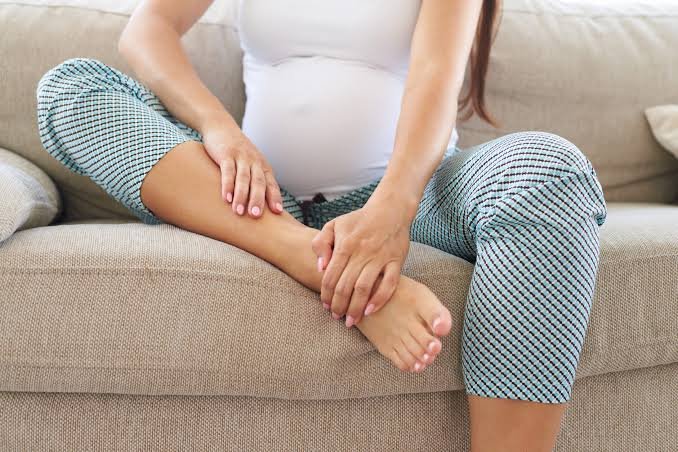
Swelling, medically known as oedema, is one of the most common physical changes experienced during pregnancy. Many pregnant women notice their feet no longer fit comfortably into their shoes, their rings become tight, or their ankles appear puffy by the end of the day. While mild swelling is usually a normal part of pregnancy, sudden or severe swelling can sometimes signal a serious complication that requires immediate medical attention.
Understanding the difference between normal pregnancy swelling and dangerous swelling can help expectant mothers feel more confident and know when it is time to contact a healthcare provider. This guide explains the causes, symptoms, treatment options, and warning signs every pregnant woman should know.
What Is Swelling During Pregnancy?
Swelling, also called pregnancy oedema, occurs when extra fluid accumulates in the body’s tissues. During pregnancy, the body naturally retains more water than usual to support the growing baby and prepare for labour.
Most women experience some degree of swelling, particularly during the second and third trimesters. It is usually more noticeable later in the day or after standing or sitting for long periods.
Why Does Pregnancy Cause Swelling?
Several natural changes contribute to swelling during pregnancy.
Increased Blood Volume
Pregnant women produce approximately 40–50% more blood and body fluids to nourish the developing baby and placenta.
This additional fluid can collect in tissues, particularly in the lower limbs.
Hormonal Changes
Hormones such as progesterone relax blood vessel walls, causing fluid to leak more easily into surrounding tissues.
Growing Uterus
As the uterus expands, it places pressure on veins that return blood from the legs to the heart.
This slows circulation, allowing fluid to build up in the feet and ankles.
Gravity
Gravity naturally pulls excess fluid toward the lower parts of the body.
This explains why swelling is usually worse in the:
- Feet
- Ankles
- Lower legs
especially after standing for extended periods.
Hot Weather
Warm temperatures cause blood vessels to widen, making swelling more noticeable during summer or in humid climates.
When Does Swelling Usually Start?
Most women begin noticing swelling around:
- Week 22
- Week 24
- Week 26
It generally becomes more noticeable during the third trimester.
Swelling often peaks during the final weeks before delivery and usually improves within a few days after childbirth as the body eliminates excess fluid.
Common Areas That Swell
Pregnancy swelling commonly affects:
- Feet
- Ankles
- Toes
- Legs
- Hands
- Fingers
- Face (mild puffiness)
Some women also notice swelling around the wrists or mild facial puffiness, particularly in the morning.
Is Swelling the Same Throughout the Day?
Not always.
Swelling tends to:
- Be mild in the morning
- Increase during the afternoon
- Become worse in the evening
- Improve after sleeping with the legs elevated
For most pregnant women, mild swelling is a normal part of pregnancy and is not usually a cause for concern. It develops gradually as the body retains more fluid and the growing uterus places pressure on the veins that carry blood from the lower body back to the heart.
Normal swelling is generally temporary and tends to improve with rest or elevating the legs.
Signs of Normal Swelling
Normal pregnancy swelling typically has the following characteristics:
- Develops gradually over days or weeks
- Usually affects both feet and ankles equally
- Becomes worse after standing or sitting for long periods
- Improves after resting or sleeping
- More noticeable in hot weather
- Causes mild puffiness without severe pain
Many women find that their shoes feel tighter by the end of the day or that they need to remove rings before their fingers become too swollen. These changes are usually expected during pregnancy.
When Can Swelling Become Dangerous?
Although mild swelling is common, sudden or severe swelling can sometimes indicate a serious medical condition, such as preeclampsia, which requires immediate medical attention.
Contact your healthcare provider immediately if you notice:
- Sudden swelling of the face
- Rapid swelling of the hands or fingers
- Swelling that appears suddenly over a few hours
- Swelling affecting only one leg
- Severe pain in the swollen area
- Redness or warmth in one leg
- Swelling accompanied by severe headaches
- Blurred vision or flashing lights
- Persistent upper abdominal pain
- Difficulty breathing
- Reduced fetal movements
These symptoms should never be ignored, as they may indicate complications that require prompt assessment.
Conditions Associated with Severe Swelling
1. Preeclampsia
Preeclampsia is a pregnancy complication characterised by high blood pressure and signs of damage to organs, most commonly the kidneys or liver. It usually develops after 20 weeks of pregnancy.
One of its warning signs may be sudden swelling, particularly of the:
- Face
- Hands
- Around the eyes
However, swelling alone does not diagnose preeclampsia. It is usually accompanied by other symptoms such as:
- High blood pressure
- Severe headaches
- Changes in vision
- Protein in the urine
- Pain beneath the ribs
- Nausea or vomiting
- Shortness of breath
If untreated, preeclampsia can lead to serious complications for both mother and baby, making early medical care essential.
2. Deep Vein Thrombosis (DVT)
Pregnancy increases the risk of developing blood clots.
Unlike normal pregnancy swelling, DVT usually affects only one leg.
Symptoms include:
- Swelling in one leg only
- Pain or tenderness in the calf
- Warm skin
- Red or discoloured skin
- Pain when walking
DVT is a medical emergency because a clot can travel to the lungs and become life-threatening.
3. Heart or Kidney Problems
Although uncommon, significant swelling throughout the body may occasionally be related to underlying heart or kidney disease.
Seek medical advice if swelling is associated with:
- Shortness of breath
- Chest pain
- Extreme fatigue
- Difficulty lying flat due to breathing problems
How to Reduce Swelling During Pregnancy
While swelling cannot always be prevented, several simple lifestyle measures can help minimise discomfort.
1. Elevate Your Legs
Raise your feet above heart level whenever possible.
Even 20–30 minutes of leg elevation a few times each day can improve circulation and reduce swelling.
2. Avoid Standing for Long Periods
If your work requires prolonged standing, try to:
- Take regular walking breaks
- Shift your weight frequently
- Sit whenever possible
Movement helps pump blood back toward the heart.
3. Stay Physically Active
Gentle exercise improves circulation and reduces fluid build-up.
Suitable activities include:
- Walking
- Swimming
- Prenatal yoga
- Pregnancy-safe stretching exercises
Always consult your healthcare provider before starting a new exercise programme during pregnancy.
4. Sleep on Your Left Side
Sleeping on your left side reduces pressure on the large vein (inferior vena cava) that returns blood from the lower body to the heart.
This position may help decrease swelling and improve blood flow to the placenta.
5. Wear Comfortable Clothing
Choose:
- Loose-fitting clothes
- Comfortable shoes
- Supportive footwear with good cushioning
Avoid tight socks or clothing that restricts circulation around the ankles or calves.
6. Consider Compression Stockings
Graduated compression stockings can help improve blood circulation and reduce swelling, particularly if you spend long periods standing or sitting.
Speak with your healthcare provider about the most appropriate type and fit.
7. Stay Hydrated
Although it may seem counterintuitive, drinking enough water helps the body maintain a healthy fluid balance.
Aim for adequate daily fluid intake unless your healthcare provider has advised otherwise.
8. Reduce Excess Salt Intake
Your body needs some sodium during pregnancy, but consuming excessive amounts of salty processed foods may contribute to fluid retention.
Instead, choose fresh, nutritious foods such as:
- Fruits
- Vegetables
- Whole grains
- Lean proteins
- Unsalted nuts and seeds
Avoid making major dietary changes without discussing them with your healthcare provider.
9. Keep Cool
Hot weather can worsen swelling.
To stay comfortable:
- Wear lightweight clothing
- Rest in shaded or air-conditioned areas
- Avoid prolonged exposure to direct sunlight
- Cool your feet with a fan or cool (not icy) water if needed
Foods That May Help Manage Swelling During Pregnancy
A healthy, balanced diet can support proper fluid balance and circulation during pregnancy. While food cannot completely prevent swelling, certain nutrients may help your body manage excess fluid and maintain healthy blood pressure.
1. Potassium-Rich Foods
Potassium helps regulate the body’s fluid balance and supports normal blood pressure levels.
Good sources of potassium include:
- Bananas
- Avocados
- Sweet potatoes
- Spinach
- Beans
- Lentils
- Oranges
- Coconut water (in moderation)
Including potassium-rich foods as part of a balanced pregnancy diet may help reduce excessive fluid retention.
2. Foods Rich in Magnesium
Magnesium plays a role in muscle function, nerve health, and fluid regulation.
Sources of magnesium include:
- Nuts and seeds
- Whole grains
- Dark leafy vegetables
- Legumes
- Dark chocolate (small amounts)
Some studies suggest magnesium may help with pregnancy-related discomforts such as muscle cramps, although supplements should only be taken if recommended by a healthcare provider.
3. Protein-Rich Foods
Adequate protein intake is important during pregnancy for maternal health and baby growth.
Include:
- Eggs
- Fish that are safe during pregnancy
- Chicken
- Lean meat
- Beans
- Lentils
- Dairy products or alternatives
A balanced protein intake supports healthy blood circulation and overall nutrition.
4. Water-Rich Foods
Foods with high water content can contribute to hydration.
Examples include:
- Watermelon
- Cucumbers
- Lettuce
- Tomatoes
- Oranges
- Strawberries
Staying hydrated helps the body maintain a healthy fluid balance.
5. Limit Highly Processed Foods
Processed foods often contain high amounts of sodium, which can increase water retention.
Try limiting:
- Packaged snacks
- Instant noodles
- Fast foods
- Processed meats
- Salty chips
- Ready-made sauces
Instead, focus on fresh, nutrient-dense meals.
When Should You Contact Your Doctor About Swelling?
Always contact your healthcare provider if you experience:
Sudden swelling:
- Face
- Hands
- Around the eyes
Swelling with other symptoms:
- Severe headache
- Blurred vision
- Seeing flashing lights
- Chest pain
- Difficulty breathing
- Severe abdominal pain
- Nausea or vomiting
One-sided swelling:
- One leg becoming larger than the other
- Leg pain
- Redness
- Warmth
Changes in your baby’s movement:
If you notice your baby is moving less than usual, seek medical advice promptly.
How Doctors Evaluate Pregnancy Swelling
During antenatal visits, your healthcare provider may check:
Blood Pressure
High blood pressure can be a sign of pregnancy complications such as preeclampsia.
Urine Tests
Doctors may check for protein in urine, which can indicate kidney involvement.
Physical Examination
Your doctor may assess:
- Location of swelling
- Severity of swelling
- Weight changes
- Other symptoms
Blood Tests (If Needed)
Additional tests may be recommended if there are concerns about liver function, kidney function, or other complications.
Final Thoughts
Swelling during pregnancy is a common experience caused by the many changes happening inside your body. Mild swelling of the feet, ankles, and hands is usually normal and can often be managed with simple lifestyle changes such as staying active, resting with your legs elevated, wearing comfortable footwear, and maintaining a balanced diet.
However, pregnancy swelling should never be ignored when it appears suddenly, becomes severe, affects one side of the body, or occurs with symptoms such as headaches, vision problems, breathing difficulties, or abdominal pain.
Understanding the difference between normal pregnancy changes and warning signs allows mothers-to-be to seek timely medical care and protect both their own health and their baby’s wellbeing.